
What is Organic Food & Why Does It Matter?
Organic food is on the radar of many health-conscious consumers, but a lot of people still don't know exactly what it means or why it is important.
This guide will help educate conscious consumers on how organic food is different and better understand what the term means.
Be sure to check out our list of organic food brands too!
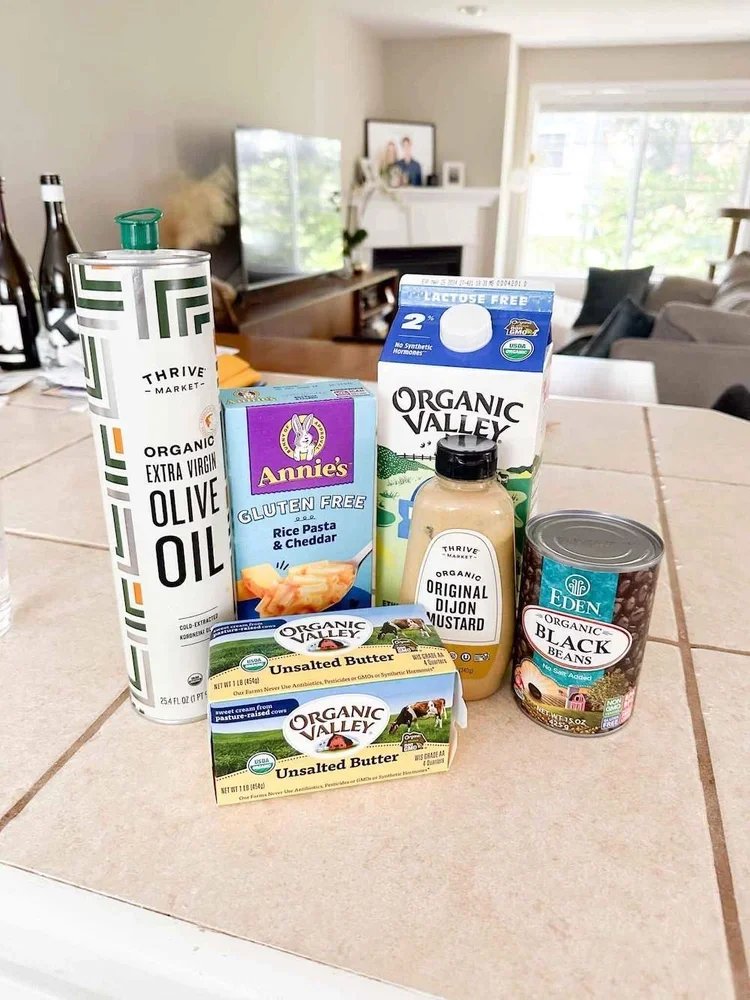
What is Organic Food?
Organic food looks slightly different depending on the type of food such as produce, meat, or packaged goods.
Organic produce is produced using methods that comply with the standards of organic farming. Organic farming practices are designed to promote soil and water conservation, reduce pollution, minimize climate change, and preserve biodiversity.
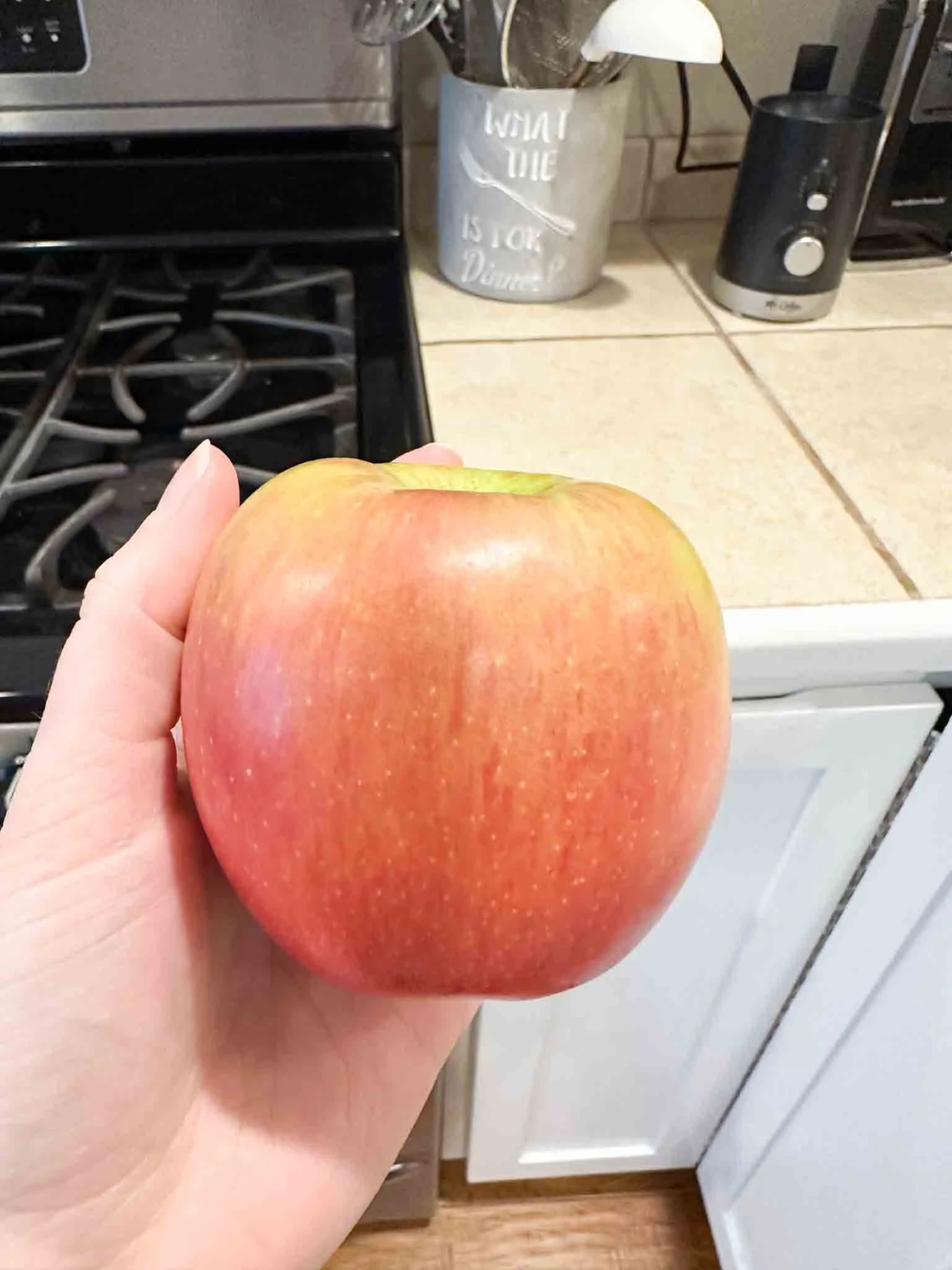
Animals used for organic meat must be raised on certified organic land without hormones or antibiotics and fed only organically grown feed.
Organic food is grown with less synthetic fertilizers, pesticides, or other chemical inputs. Instead, it relies on natural substances such as compost and manure to maintain soil fertility and control pests.
Organic farmers also use crop rotation, cover crops, and other techniques to keep soils healthy and reduce the need for chemicals.
Organically grown foods can have higher levels of vitamins, minerals, and other beneficial compounds than conventionally grown foods.
Additionally, many people report that organic produce tastes better and is more flavorful than conventional produce.
For packaged goods this typically means a certain percentage of their ingredients are organic.
THE BENEFITS OF ORGANIC FOODS
Organic foods have many benefits for both your health and the environment. Eating organic can reduce your exposure to pesticides and other chemicals, plus it supports sustainable farming practices.
We’ll dive deeper into the benefits later!
WHAT IS USDA CERTIFICATION?
In America, organic certification from the USDA.
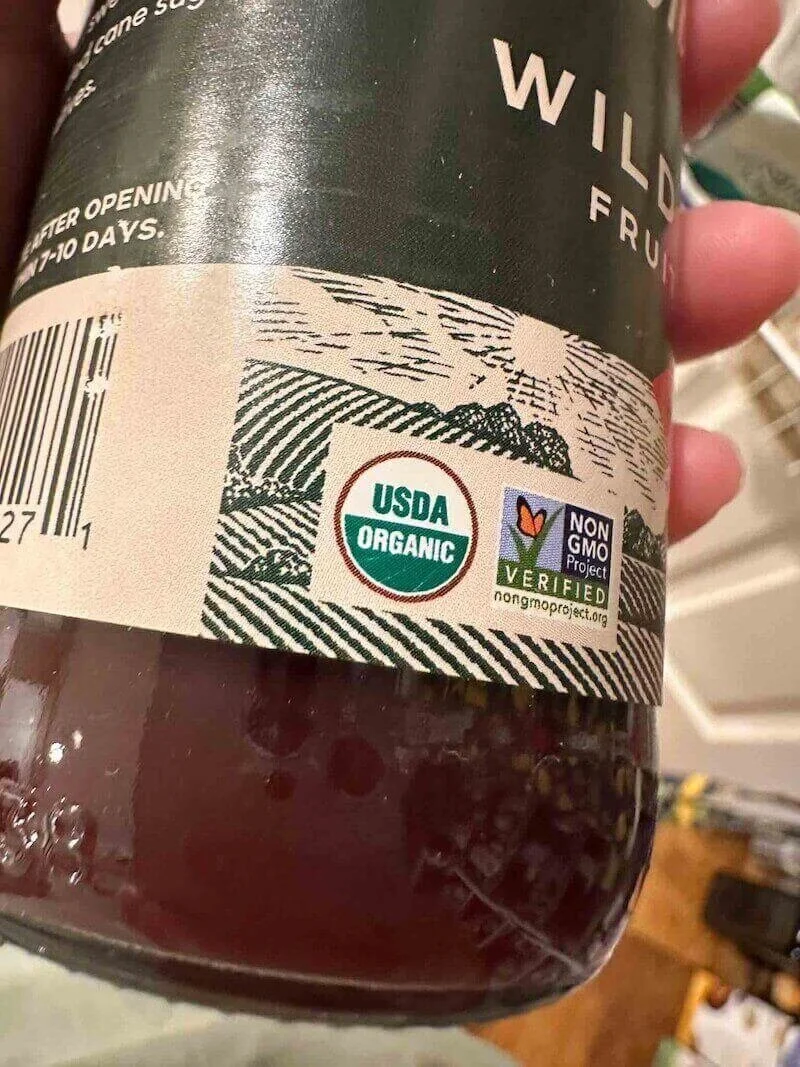
It means that the product has met strict rules and regulations set by the United States Department of Agriculture (USDA). These rules include limits on the use of synthetic pesticides, fertilizers, antibiotics, hormones, and genetic engineering.
These rules also require the use of organic-specific farming practices, such as crop rotation and cover cropping.
It's also important to acknowledge that the USDA Certification requires time and resources some small farms or brands don't have.
There are plenty of small family farms using organic practices that do not have the official certification.
So, if you're shopping for local foods at your farmer's market don't be afraid to ask about organic farming practices or organic ingredients in packaged goods.
I know I’m able to find a lot of organically grown produce at my local farmers market! It’s one of the many reasons I love buying from the farmers market.
Is Organic Food a Healthier Choice?
When it comes to our diets, choosing organic foods can have many health benefits.
Organic foods are grown with limited use of synthetic pesticides or fertilizers, and they also don't contain any genetically modified ingredients.
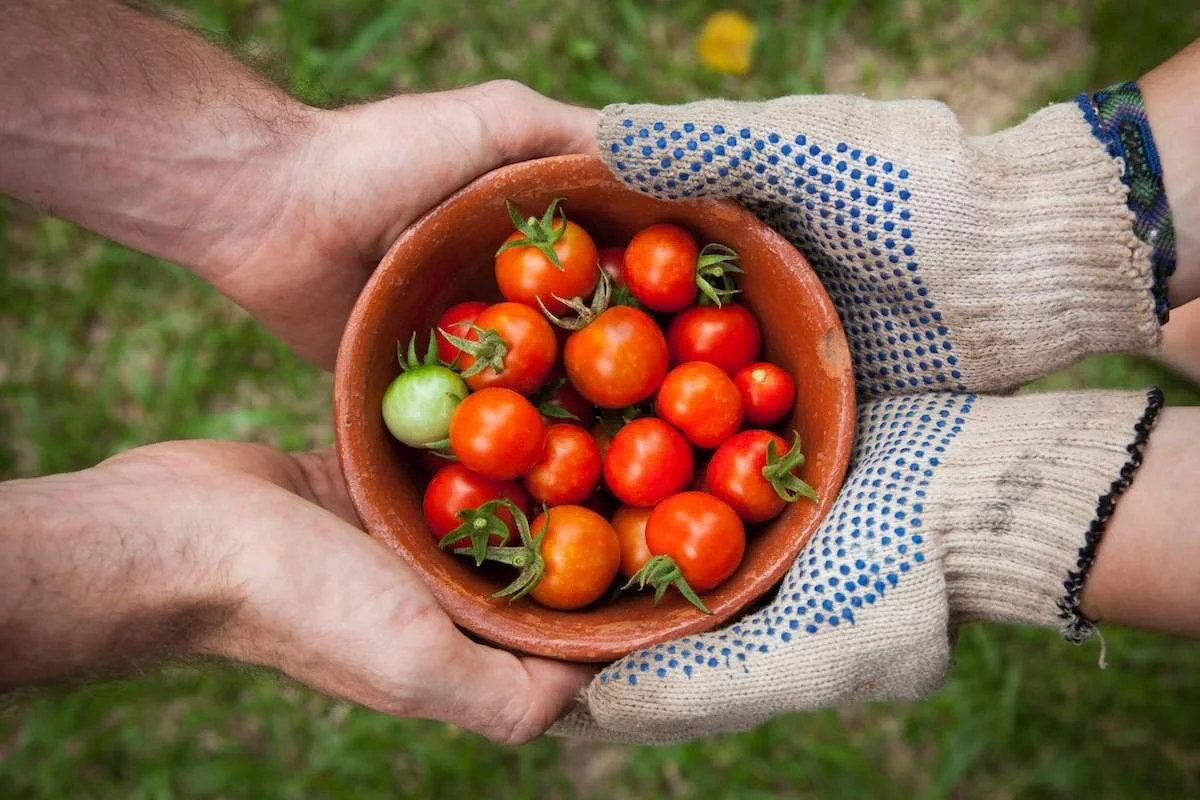
This means that organic foods have less harmful chemicals and may be better for your health than conventionally grown produce.
Additionally, organic farming practices are more environmentally friendly, since they rely on natural methods to grow food instead of relying on synthetic chemicals.
Organically grown meat also doesn’t contain any hormones or antibiotics, making them a healthier choice than conventionally produced meat.
So, while organic foods may cost more than their conventionally grown counterparts, they can be worth the extra price for the health benefits and environmental protection that they offer.
Why is Organic Food Better for our Environment?
Organic food is a cleaner choice for the environment.
It is grown with less chemical fertilizers, pesticides, or other synthetic substances that can contaminate our water and soil.
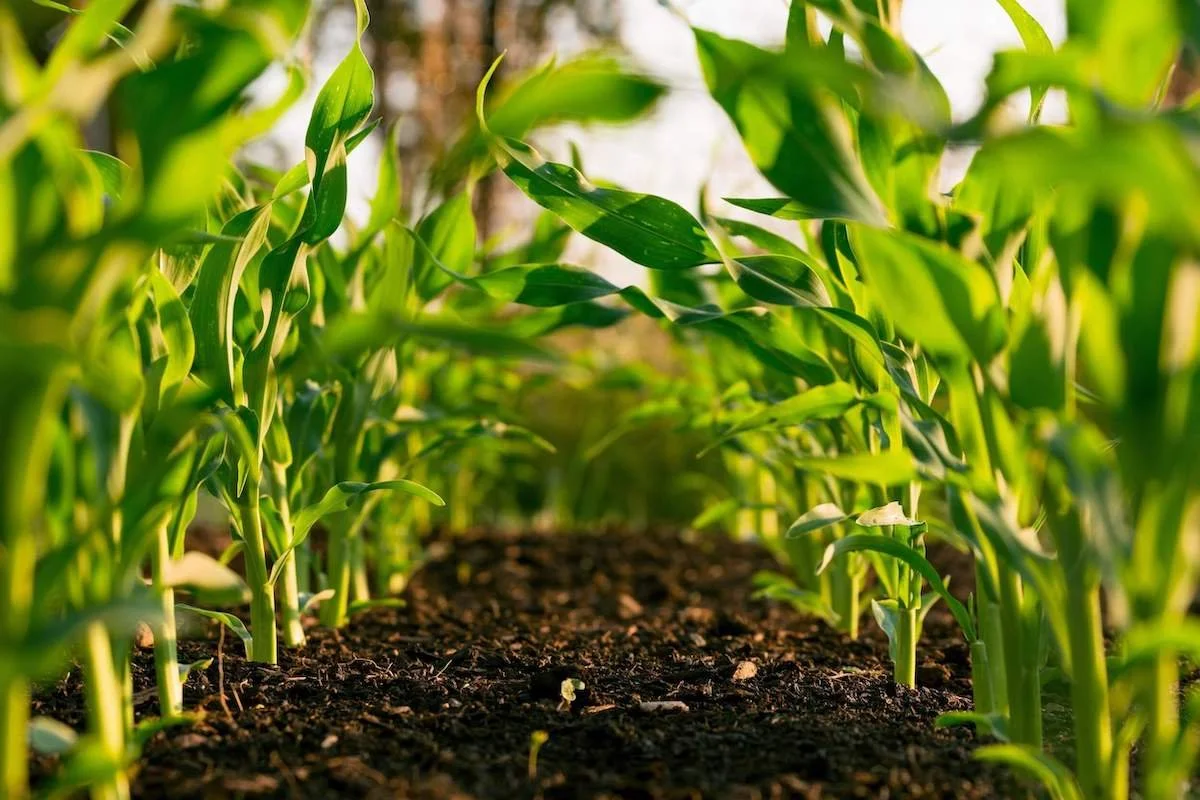
Organic farming also promotes healthy ecosystems, as it relies on natural methods of pest control like crop rotation and companion planting instead of harsh chemicals.
By avoiding these chemicals, organic farming reduces the risk of water and soil contamination, which can have lasting effects on our environment. This creates better soil quality.
Additionally, organic farming methods help to promote biodiversity which in turn assists to protect plants and animals.
This style of farming acknowledges that every part of the ecosystem is essential to the survival and overall health of the crop.
Hopefully this guide helped you learn more about organic food! Also, be sure to learn about where you can order organic food online.
MORE ORGANIC FOOD POSTS:

MEET THE AUTHOR
Emily Waddell is the founder of The Honest Consumer and an expert in conscious consumerism. She has been in the ethical and sustainable living space for over ten years. Emily has always been passionate about business for good and has a Bachelor degree in Social Entrepreneurship. When she’s not writing, Emily enjoys supporting small businesses, finding locally grown food at the farmer’s market, & practicing slow living.
For more tips & tricks on living sustainably be sure to follow The Honest Consumer on social media, check out the latest blog posts for conscious consumers, subscribe to our weekly newsletter, and explore our responsible brand directory.