The Best Natural Bug Sprays for Spring & Summer
With the weather getting nicer we’re all ready to get outside! Depending on where you live, bugs can be a real bummer. I know from growing up in Texas mosquito bites are no fun and that’s why it’s so important to find a good bug spray that actually works.
As consumers we rarely stop to think what’s in these sprays that bugs don’t like? Is bug spray safe for humans and for the environment? What is the best natural bug spray?
Let’s explore DEET based bug sprays and natural bug spray alternatives. This guide will help you learn what ingredients to look for and introduce you to some cleaner natural insect repellant brands.
This guide does feature affiliate links. The Honest Consumer will be compensated if you decide to make a purchase. Our commission is at no additional expense to you.
Is Bug Spray Toxic?
Most bug sprays are classed as ‘mildly toxic’. This is the lowest level, and while of little concern, does mean that care should be taken if you use insect repellent on a regular basis. If you are using commercial bug spray, don’t put too much of it on your skin at once.

If you can avoid it by wearing long sleeves and trousers, then do so. The reason that bug spray is classed as by the EPA as slightly toxic is due to one main ingredient: DEET.
What is DEET?
DEET has been around for years and was originally given to soldiers in the 1960s as insect repellent. Soon, it became commercially available to buy in several different bug sprays.
DEET is classed as a pesticide, but it doesn’t actually kill bugs, it repels them by preventing them from feeding, which is why we can remain bite-free.
How Does DEET Impact our Health?
While there’s no question that bug sprays containing DEET work, there are concerns over how safe it is to put this chemical onto your skin. Some people can have allergic reactions to it, and the fact it’s recommended that you to wash it off immediately after use speaks for itself.
It’s also dangerous if you accidentally get a mouthful of it or even if you accidentally breathe it in. In these instances, DEET is classed as a poison. Not something that you want to have around your home. For many reasons, it’s not suitable for children under two years of age and shouldn’t be applied by children who are unable to use it correctly.
One thing we do know is that DEET is rapidly absorbed into the skin. Yet we don’t know exactly what impact that can have. Canada has banned products using DEET with more than 30% concentration because of these safety concerns.

What About Natural Bug Spray?
DEET shouldn’t be abandoned altogether. Using it minimally won’t have an impact, so if you are planning on hiking somewhere where Lyme disease is rampant, putting a little on your ankles for a few hours is still recommended for staying safe.
For everyday use however, natural bug sprays work just as well. They don’t irritate the skin, and most importantly, they are non-toxic, so you can spray them without having to worry.
The main ingredients found in natural bug sprays are insect repellents that have been tried and tested for years, such as citronella and lemongrass.
Not only are these cleaner ingredients, but this is also great because it means a more natural alternative won't have the harsh smell of chemicals found in conventional bug spray.
Less toxic bug sprays are also more kind to the environment, and won’t have as much of an impact on our wildlife.
9 Natural Bug Sprays to Love
If you’re interested in exploring non-toxic bug sprays for your outdoor adventures, consider some of these natural DEET free brands.
I’ve tried a few of these and have enjoyed using them. Not only are they effective, but they also smell better than DEET based bug sprays.
Plus, these options help support socially responsible small businesses. The best part is these are all effective products without harsh chemicals, using essential herbal oils that are safe for both adults and young children.
Thistle Farms: Essential Oil Bug Spray
Thistle Farms is a company that cares about women. All of their products are made by women survivors, and their Essential Oil Bug Spray is no different.
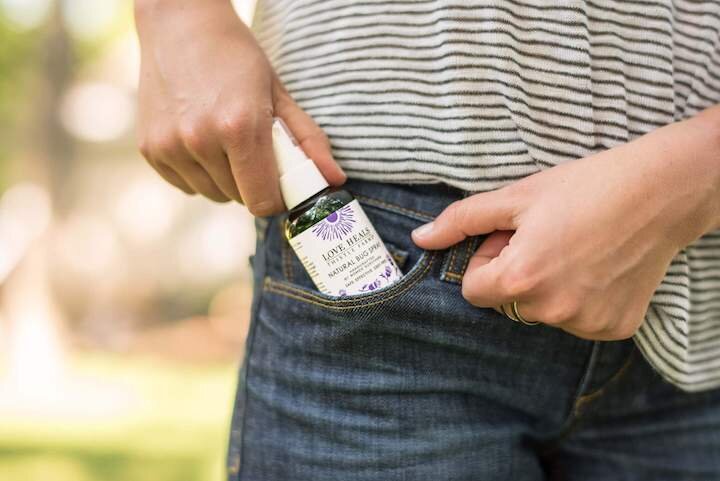
These essential oils are harvested by Genocide-surviving communities in Rwanda. With lemongrass and citronella oil, this all natural bug spray kind on the skin and to humanity.
I actually used the Thistle Farms Essential Oil Bug Spray when I traveled to Haiti and it worked wonders. Thistle Farms bug spray comes in a few different sizes starting at $8. When traveling I found the 2oz size to be perfect for throwing in my purse.
ALL TERRAIN HERBAL ARMOR REPELLENT PUMP SPRAY
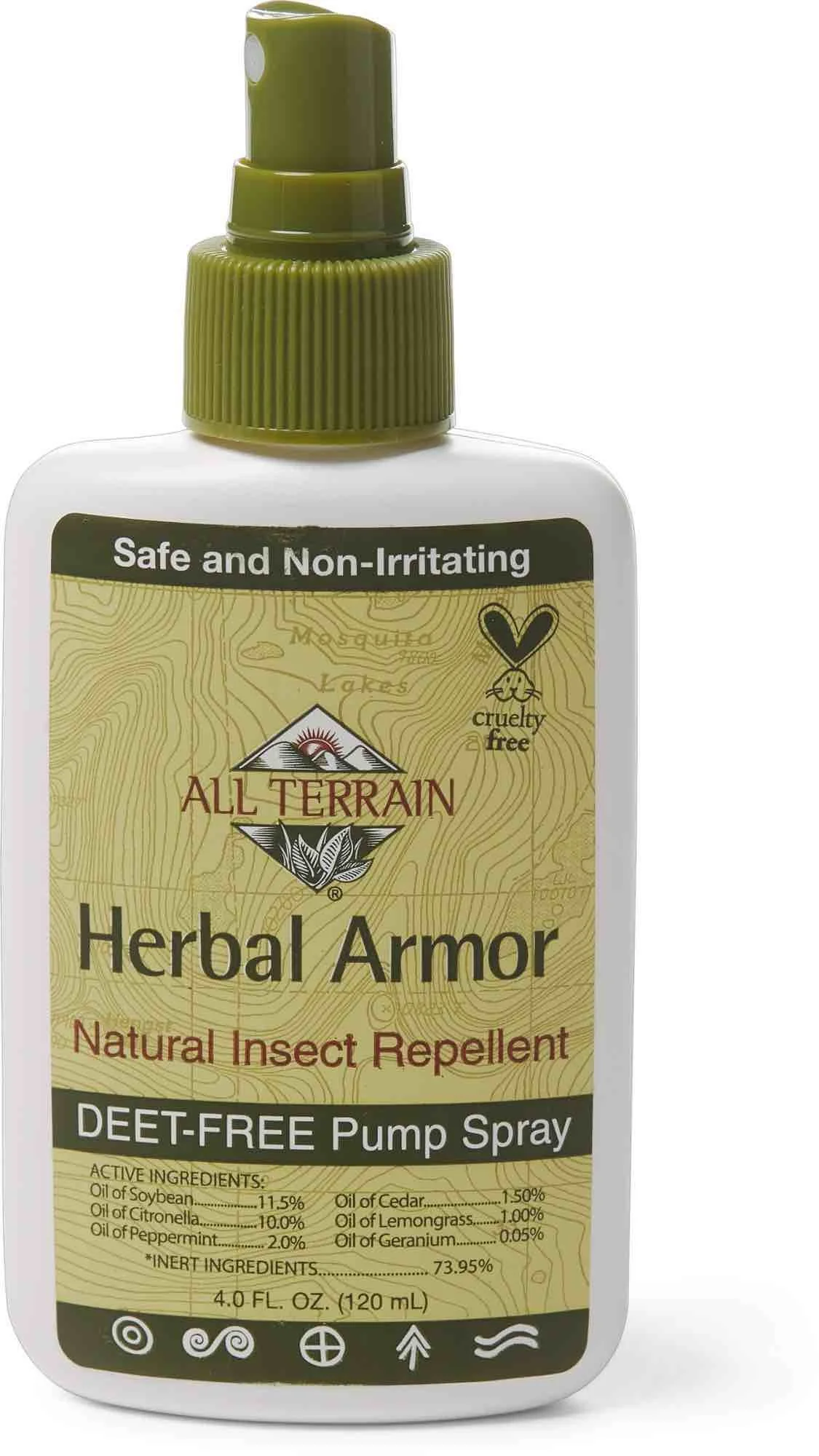
All Terrain Herbal Armor DEET-Free Repellent Pump Spray is 100% DEET-free and the GMO-free formula is a mixture of 6 essential oils (soybean, citronella, peppermint, cedar, lemongrass and geranium).
The non-irritating formula is great for children and those with sensitive skin. This natural spray protects you from mosquitoes and other pesky insects.
Their story began in Costa Rica, when a climber’s DEET-based insect repellent leaked in the middle of a hike. The chemicals in the repellent ate through his backpack, destroying a number of his possessions.
The leak even melted the keys on the calculator he was using to figure out the exchange rate. Wanting an alternative to this destructive formula, the climber returned home and developed the DEET-Free Herbal Armor® Insect Repellent.
Since then, All Terrain® has steadily expanded its product line to provide effective, environmentally friendly protection against a wider range of skin issues.
Located in Newport, New Hampshire, All Terrain® now offers Insect repellents, itch relief, topical first aid, bandages and sanitizing products.
Their products aims to help you and your family be more active and live healthier lives by being more confident in your protection outdoors.
Primally Pure’s Nature Spray Mosquito Repellent
Primally Pure’s natural mosquito repellent is made with nourishing non-toxic ingredients. The Nature Spray is free of DEET and full of organic ingredients such as Citronella essential oil, Geranium, Peppermint, Rosemary, and Cedarwood.

This natural mosquito repellent can be purchased in a few different sizes and ranges in price from $14-$20.
Badger: Anti-Bug Spray
Badger has a whole range of insect repellant products, including their ever-popular Anti-Bug Balm. Their Anti-Bug Spray has the same active ingredients, so if you don’t want a balm, then this is the product for you.
Easy to apply and long-lasting, it contains citronella, rosemary, and wintergreen essential oils. This non-toxic bug spray has even been laboratory tested, so you know it works! This clean bug spray can be purchased from around $9-$20.
Mindful Mixtures: Organic Mosquito Repellent
Mindful Mixtures all-natural, DEET-free bug repellent provides a long-lasting barrier on your skin that safely repels bugs, while also nourishing the skin.
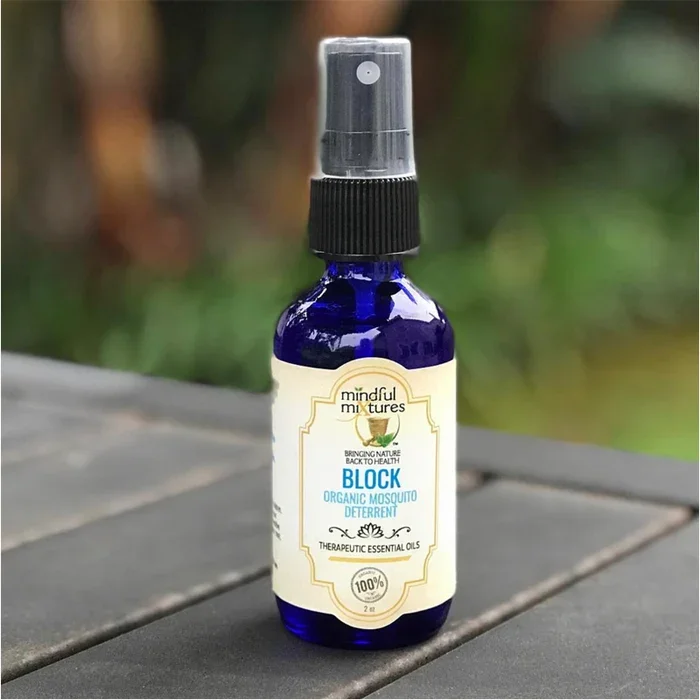
Ethically made with eucalyptus, eucalyptus lemongrass, basil, and cedarwood that keeps bugs away and leaves a gentle scent behind.
Available in both a spray, and a lightweight, non-greasy cream, both formulas are safe for the entire family and contain no synthetic ingredients.
MURPHY'S NATURALS MOSQUITO & TICK REPELLENT SPRAY
Murphy's Naturals Mosquito and Tick Repellent Spray is powered by the only plant-based active ingredient recommended by the CDC as an alternative to DEET.
Repels mosquitoes, including those that may carry Zika Virus, West Nile Virus, Dengue Virus and Chikungunya Virus, for up to 6 hours. Provides 4 hours of protection against Deer Ticks, which may transmit Lyme Disease.
From their sprays to their incense—they've formulated powerful plant-based blends that other natural manufacturers have overlooked...or skimped on.
With their sprays, you get 30% lemon eucalyptus oil—the only plant-based mosquito repellent recommended by the CDC.
Murphy's Naturals is B-corp certified and every time you buy something from Murphy's Naturals, they donate 1% (or more) of their gross revenue to non-profits that are focused on climate solutions, environmental preservation, and education.
Is Bug Spray Harmful to the Environment?
It can be. It all comes down to DEET again, which is seen as slightly toxic to wildlife.
As we wash off this product and re-apply it every day, concentrations of DEET can now be found in our waterways, and we’re not quite sure of the ultimate consequences that this will have on our environment.
Oregon State University reported that tests were done to find out if DEET could affect fish or insects that live in the water. For freshwater fish and insects, DEET was toxic at extremely high levels.
For instance, the level of DEET that killed half of the fish or insects was about 75,000 times greater than the highest concentration found in waste water or streams. At this point in time the reports showed DEET is not considered to be very toxic to birds.
If this ingredient is harmful to wildlife….we' probably don’t want to be putting it on our bodies.
Other Harmful Ingredients in Bug Spray
While DEET is the main ingredient to stay away from, there are other chemicals commonly found in bug repellents that could be damaging.
Cyfluthrin. This can build up in the ecosystem and eventually become dangerous to fish. There is also evidence to suggest that it poisons honeybees.
Permethrin. Another pesticide, this is not only potentially harmful to us, but to our aquatic life as well, so should be avoided.
Hopefully this guide has helped you better understand plant-based insect repellent and learn how to choose a more natural bug spray that is a safe choice for your whole family. Easy homemade bug sprays using DIY recipes are always a great option, too!
MEET THE AUTHORS
Industry Research- Leslie

Product Recommendation
Emily Waddell is the founder of The Honest Consumer and an expert in conscious consumerism. She has been in the ethical and sustainable living space for over ten years. Emily has always been passionate about business for good and has a Bachelor degree in Social Entrepreneurship. When she’s not writing, Emily enjoys supporting small businesses, finding locally grown food at the farmer’s market, traveling & practicing slow living.
Read More Conscious Consumer Content:
For more sustainable lifestyle tips be sure to follow The Honest Consumer on social media, subscribe to our newsletter, & check out the Ethical & Sustainable Brand Directory.